


SEO Foundation
Built with search visibility in mind from the start.
The platform includes a structured SEO foundation that helps pages behave properly for search engines and sharing.
The technical side of the SEO is done well, meaning that your editors has all the tools for the content side of SEO.

SEO title, description, and social sharing
Pages include dedicated fields for SEO titles and descriptions, giving editors control over how content appears in search results.
The platform also handles social sharing metadata automatically, so shared links look clean and intentional on platforms like Facebook and LinkedIn. When needed, editors can override the default sharing title, description, and image for a more tailored presentation.
Multilingual SEO support
The platform includes language-aware SEO foundations, with separate URLs per language, localized metadata, canonical URLs, hreflang support, and sitemap handling. This helps search engines understand each language version correctly and serve the right content to the right audience.
Robots, Sitemap & Canonical support
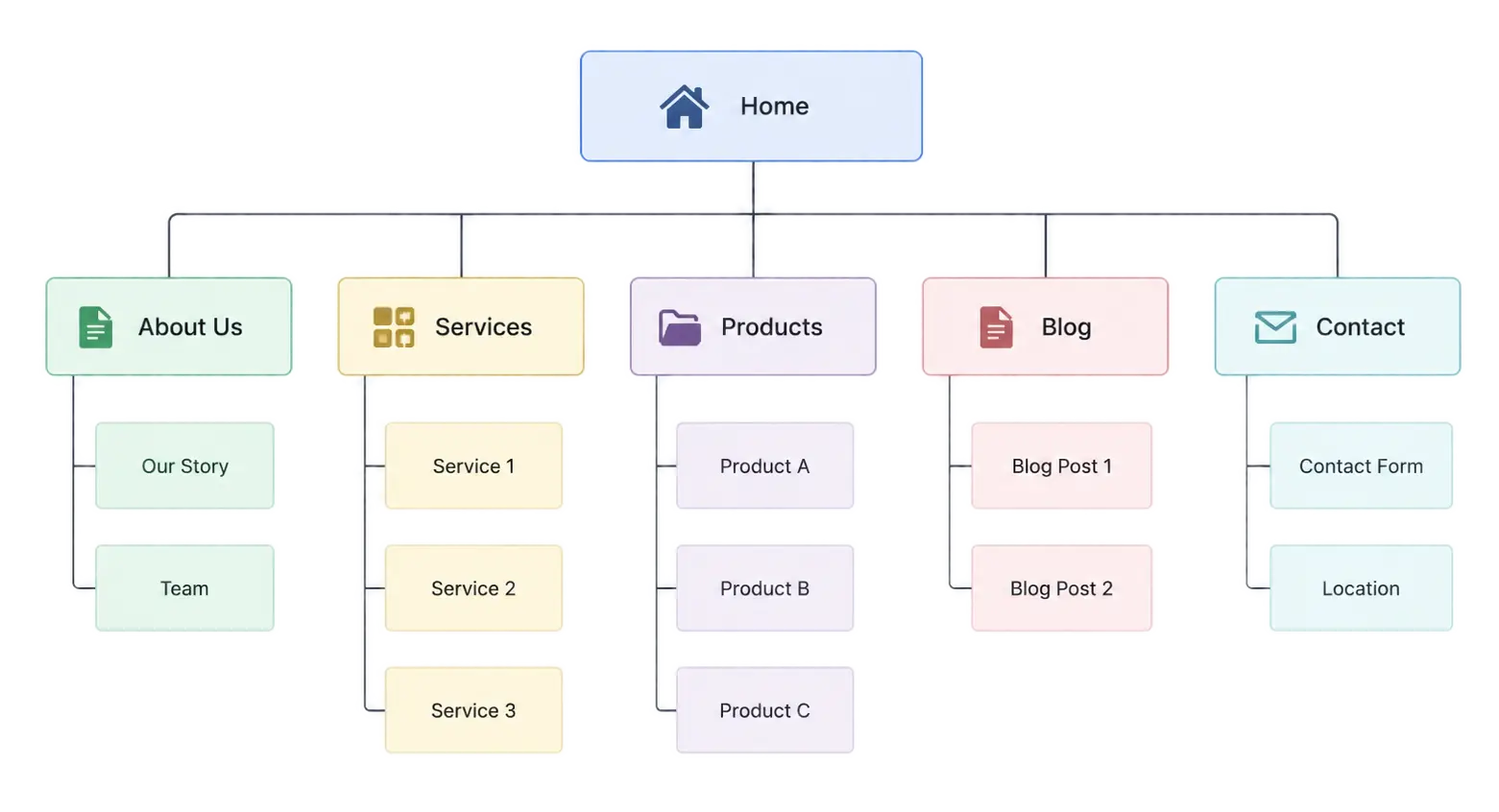
The platform will automatically generate a sitemap to ensure that all your pages are visible to the search engines. Additionally, a canonical URL, which is a unique URL that is recommended by search engines to ensure duplicates are not included, is generated without any action by the editor.
The platform also ensures that the sitemap is visible to the search engines through the Robots.txt file.

Structured data
Structured data gives search engines additional context about the content on a page.
Blog pages include automatic markup for important article details such as the image, title, excerpt, and content. This helps search engines read the page structure more accurately, without requiring manual setup from the editor.
When needed, custom structured data can also be added to individual pages.
Accessibility
This platform is built with accessibility in mind from the start, helping developers and editors create websites that are easier to use, easier to navigate, and better aligned with modern accessibility standards.
It is built against WCAG 2.2 AA principles, with semantic components, keyboard navigation, visible focus states, accessible forms, skip links, structured headings, alt-text support, and editor-friendly accessibility defaults.
WCAG 2.2 AA is a strong accessibility target for modern websites and provides a solid foundation for inclusive digital experiences. The platform helps support this level through its technical structure and default components, while final accessibility also depends on the design, content, media, and ongoing editorial work.
For example, videos may still require captions, transcripts, or other content-specific improvements depending on the project. The goal is to give each website a strong accessibility foundation from the start, instead of treating accessibility as a final-stage fix.
All key website functionality should be accessible using only a keyboard. Navigation menus, buttons, links, forms, sliders, accordions, and interactive components should be reachable and usable without requiring a mouse.
Interactive elements should have clear and visible focus indicators. This helps users understand where they are on the page when navigating with a keyboard or assistive technology.
Pages should use clean and meaningful HTML. Headings, buttons, links, lists, sections, and landmarks should be implemented correctly so browsers, screen readers, and search engines can understand the structure of the content.
Each page should have a logical heading structure, starting with one main heading and followed by properly nested subheadings. This makes the page easier to scan and improves navigation for assistive technologies.
Images should include appropriate alternative text when they communicate important information. Decorative images should be handled correctly so they do not create unnecessary noise for screen reader users.
In this platform, you assign an alt text to the image when it's uploaded, and the same text is placed on all images; basically you do not need to consider it after upload.
Text, buttons, links, icons, and interface elements should have sufficient contrast against their backgrounds. This improves readability for users with low vision and in different lighting conditions.
The website should remain usable across screen sizes and when users zoom the page. Content should not overlap, disappear, or require awkward horizontal scrolling.
Menus, breadcrumbs, links, and page navigation should be predictable and easy to use. Users should be able to understand where they are, where they can go, and how to move through the site.
Of course, all of these are usable using only a keyboard.
Pages includes accessibility feature "skip to main content". These help keyboard and screen reader users move quickly to the main content.
Components such as accordions, sliders, modals, tabs, dropdowns, and mobile menus should expose the correct state and behavior to assistive technologies.
Animations and motion effects should be used carefully. Where relevant, the website should respect user preferences for reduced motion.
The CMS should make it easier for editors to create accessible content. This includes support for alt text, clear heading choices, meaningful link text, structured content blocks, and sensible defaults.
When developing this platform, I've always tried balancing between giving the editor maximum creative freedom while at the same time forcing the editor to do the right thing to comply with accessibility, SEO and other features.
The platform includes dark mode support with accessible color choices, helping improve readability and reduce eye strain while maintaining clear contrast across the interface.
There are features to allow the user to switch between light and dark, a feature to automatically assign the color scheme based on the users preferences (set in their operating system), or even for editors to disable it entirely.
Performance
Practical performance groundwork built into the platform.
This platform is built with performance in mind from the start, helping developers create websites that load efficiently, reduce unnecessary overhead, and provide a better experience for visitors across devices and connection speeds.
It includes performance-focused features such as caching support, response compression, optimized static assets, minified CSS and JavaScript, long-lived cache headers, responsive image handling, and conditional loading of scripts and styles when specific blocks or features require them.
Performance is not only about raw speed, but also about building the website in a way that avoids unnecessary weight. By loading assets only where they are needed and reusing shared components across the platform, each page gets a cleaner and more efficient technical foundation.
Final performance will still depend on the hosting environment, content, images, third-party scripts, tracking tools, and editorial choices. The goal of the platform is to provide a strong starting point, so performance is considered from the beginning instead of being treated as a late-stage cleanup task.
Implemented performance features
The platform supports caching for repeated data, shared content, and expensive lookups. This helps reduce unnecessary database work and improves response times across the site.
Static assets such as CSS, JavaScript, fonts, and icons can be served with long-lived cache headers. This improves repeat visits by allowing browsers to reuse files that have already been downloaded.
Frontend assets are optimized to reduce file size. Smaller CSS and JavaScript files help improve load times and reduce the amount of data transferred to the browser.
Scripts and styles can be loaded only when they are needed by a specific block or feature. This helps prevent pages from loading unnecessary code and keeps the frontend lighter.
The platform is built to support efficient image handling, including responsive image usage and optimized image formats where appropriate. This helps reduce page weight while keeping visual quality high.
Text-based assets can be compressed before being sent to the browser. This reduces transfer size for files such as CSS, JavaScript, SVG, and JSON.
Reusable blocks and shared components reduce duplicated code and keep the frontend structure clean. This improves maintainability and helps avoid unnecessary performance overhead as the site grows.
Performance features such as caching, asset optimization, compression, and conditional loading are considered as part of the platform foundation, giving each project a stronger technical starting point.